Rubberwood and Its Applications in the Wood Manufacturing Industry
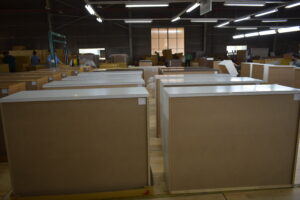
Rubberwood is a type of wood that comes from the rubber tree (Hevea brasiliensis), which is primarily grown for latex production. After the latex harvesting period, the wood is then processed for various uses. It is a popular choice in the furniture industry due to its light color, attractive grain, fine texture, and resilience. It’s also easy to work with, making it a preferred material for a variety of wood products.

Rubberwood has long been a popular material in the furniture industry due to its affordability, good quality, and high aesthetic value. However, alongside its advantages, rubberwood also has certain drawbacks that leave many customers hesitant. This article will demystify common concerns to help you make an informed choice when using this wood for your interior spaces.
Rubberwood and Its Application in the Wood Manufacturing Industry
Rubberwood is wood obtained from the rubber tree (Hevea brasiliensis) after the latex is harvested. Originally from South America, this tree is now widely cultivated in many countries, including Vietnam. Rubberwood features include a light color, beautiful grain, fine and resilient texture, and it is easy to work with and process.

Is Rubberwood Safe for Human Health?
Rubberwood is completely safe for human health. Latex can cause allergies in some people, but after scientific processing, rubberwood is entirely free of latex and harmful substances, ensuring safety in furniture production.
Advantages
- Affordability: Compared to other natural woods like oak or cherry, rubberwood is significantly less expensive, making it accessible for many families.
- Good Quality: It has high hardness, good load-bearing capacity, and is less prone to warping, pests, and has a long lifespan.
- High Aesthetic Value: It features beautiful wood grain and a bright color, easily blending with various interior design styles.
- Environmentally Friendly: Using rubberwood contributes to environmental protection as it is a renewable resource, replacing the exploitation of natural wood.
Disadvantages
- Poor Water Resistance: It is susceptible to water absorption, and if not properly treated, it can warp and become infested with pests.
- Inconsistent Color: The color may vary between wood grains, creating aesthetic differences.
Applications of Rubberwood
- Tables and Chairs: Durable, affordable, and available in various designs, suitable for all interior spaces.
- Beds: Beds offer comfort, safety for health, and come in attractive designs.
- Cabinets and Shelves: Wood cabinets have good load-bearing capacity, are easy to clean, and come in various sizes.
- Wood Flooring: Durable wood flooring provides a warm feeling to the home and is cheaper than natural wood flooring.
Usage Tips
- Choose rubberwood products that have been treated for pest resistance to ensure durability and longevity
- Use wood protection products like paint and polish to enhance water resistance and prevent scratches.
- Avoid direct contact of furniture with water or sunlight.
- Clean wood furniture with a soft cloth and specialized cleaning solutions.
- Choosing a Wood Supplier
- To ensure you purchase high-quality rubberwood products, choose reputable suppliers with clear origins. You can refer to some well-known rubberwood brands in Vietnam.
Rubberwood is a material with many advantages and is suitable for a wide range of customers. However, you should also be aware of its disadvantages and usage methods to ensure the durability and longevity of the product.